



Platforms
NGS and Omic Technologies
We convert massive data into intelligible answers


Problem
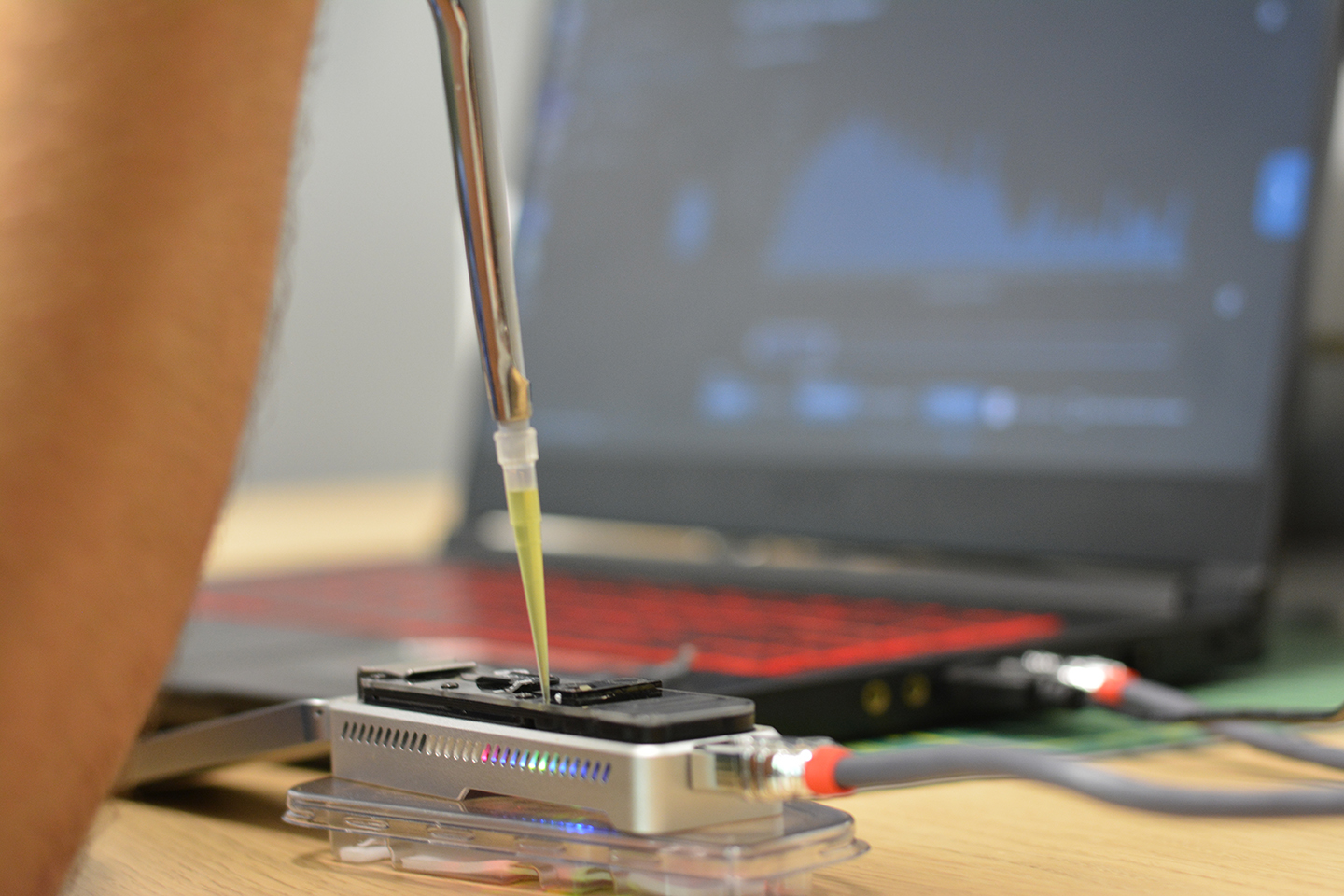
Next-generation sequencing (NGS) generates an overwhelming volume of data on microbial communities and individual microorganisms. Yet, extracting reliable and actionable insights from these datasets requires not only bioinformatics expertise but also deep knowledge of microbial ecology and taxonomy. Without this, valuable opportunities may remain hidden.
Solution
Our team will design a complete study to understand and solve your specific problems.
At DARWIN, we design end-to-end studies that move from raw sequencing data to clear, actionable answers tailored to your specific needs.
Our expertise integrates:
- NGS technologies (Illumina, Sanger, Oxford Nanopore Technologies, PacBio)
- Bioinformatics and biostatistics pipelines for genomic and metagenomic analyses
- Exclusive know-how in microbial taxonomy and ecology
We are leaders in:
- Microbiome profiling (in situ and ex situ)
- (Meta)genome mining from private and public repositories
- Custom pipelines that merge omics data with experimental validation
This integrative approach allows us to uncover hidden microbial functions, identify promising strains, and translate massive datasets into valuable solutions for industry

More than
9301270
Mbp of genomic information
More than
3096
analyzed samples
The microbiology that fits your needs
Multiple sequencing technologies: Illumina, Sanger, Oxford Nanopore Technologies, PacBio
End-to-end consulting, including experimental design
Clear result interpretation
Integration of sequencing results with real-world experimental data


